
Understanding Inflammation: The Impact of Processed Foods and the Healing Power of Turmeric
Understanding Inflammation
Inflammation is a natural response of the immune system to injury or infection, aiming to protect our body. However, chronic inflammation can lead to various health issues, including heart disease, arthritis, and diabetes. Understanding the factors that contribute to inflammation is crucial for maintaining overall health.
One significant contributor to chronic inflammation is diet, particularly the consumption of processed foods. These foods, often high in unhealthy fats, sugars, and artificial additives, can exacerbate inflammatory responses in the body.

The Impact of Processed Foods
Processed foods are a staple in many diets but can have adverse effects on health. They often contain trans fats, which are known to increase inflammation and the risk of heart disease. Additionally, high sugar levels in these foods can lead to insulin resistance, further promoting inflammation.
Common examples of processed foods include:
- Packaged snacks
- Fried foods
- Sugary drinks
- Refined grains
By reducing the intake of these items, individuals can decrease their risk of chronic inflammation and related health issues.

The Healing Power of Turmeric
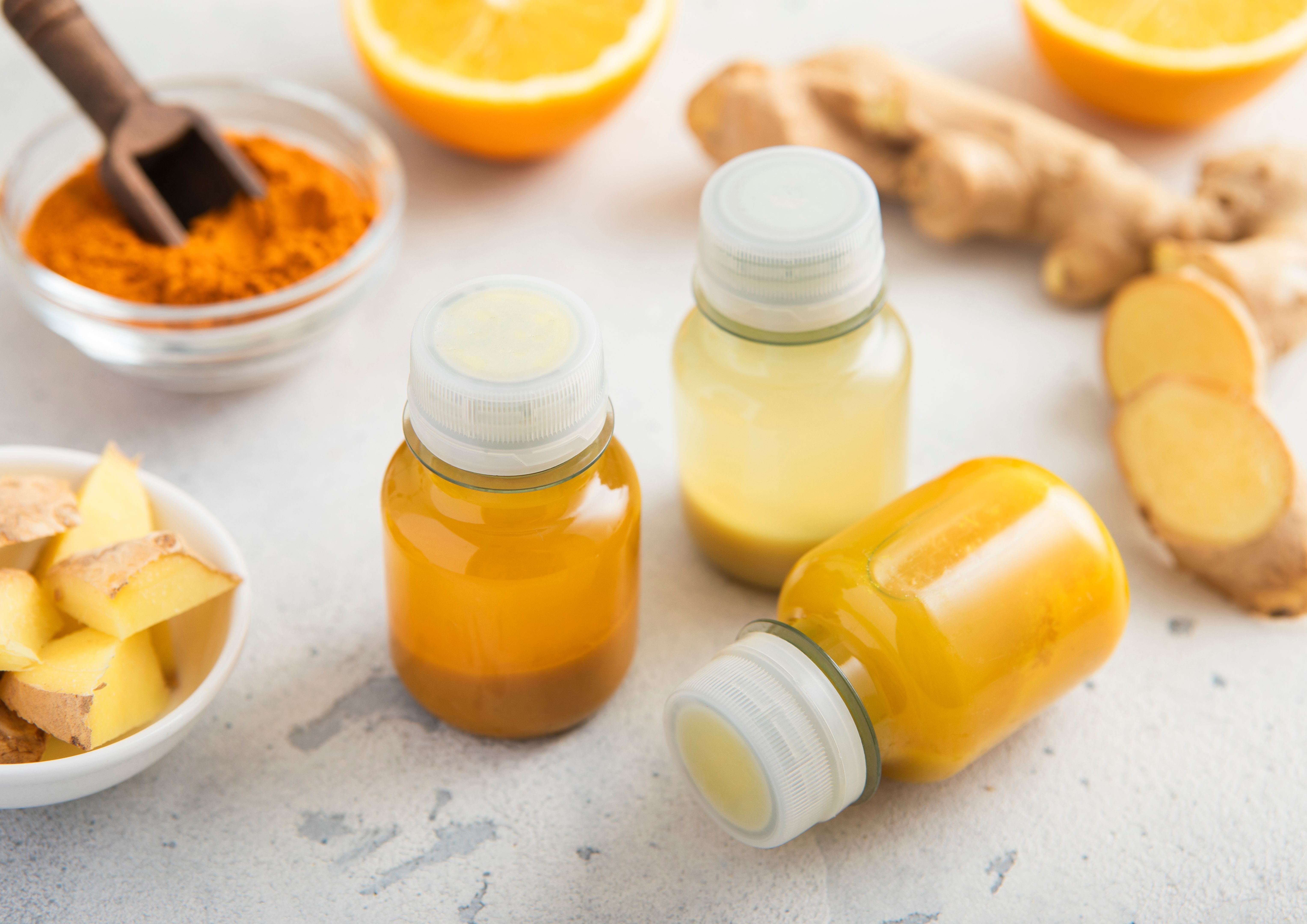
While certain foods can promote inflammation, others have anti-inflammatory properties. Turmeric, a vibrant yellow spice commonly used in Indian cuisine, has been recognized for its potential health benefits. The active compound in turmeric, curcumin, is known for its powerful anti-inflammatory effects.
Incorporating turmeric into your diet can help combat inflammation. Studies have shown that curcumin can inhibit molecules that play a crucial role in inflammation, providing relief for conditions like arthritis and inflammatory bowel disease.
How to Use Turmeric Effectively
To maximize the benefits of turmeric, consider the following tips:
- Add turmeric to soups, stews, and curries for flavor and health benefits.
- Combine turmeric with black pepper to enhance absorption of curcumin.
- Try a turmeric supplement if dietary intake is insufficient, but consult with a healthcare provider first.
Using turmeric as a natural remedy can be a simple and effective way to reduce inflammation and promote overall well-being.
In conclusion, understanding the relationship between diet and inflammation is essential for maintaining health. By reducing processed foods and incorporating anti-inflammatory ingredients like turmeric, you can take proactive steps toward a healthier lifestyle.