
Mindful Living: How to Transition to a Cleaner Lifestyle
Understanding Mindful Living
Mindful living involves being fully present and engaged in the moment, leading to a more conscious and intentional way of life. This approach encourages individuals to make thoughtful choices that contribute to a healthier and more sustainable lifestyle. Transitioning to a cleaner lifestyle is an essential part of this journey, as it aligns with the principles of mindfulness by promoting environmental awareness and personal well-being.

Assess Your Current Lifestyle
The first step in transitioning to a cleaner lifestyle is to assess your current habits. Take some time to reflect on your daily routines, consumption patterns, and environmental impact. Consider areas where you can make changes, such as reducing waste, choosing eco-friendly products, or conserving energy. This reflection will help you identify opportunities for improvement and set realistic goals.
Embrace Minimalism
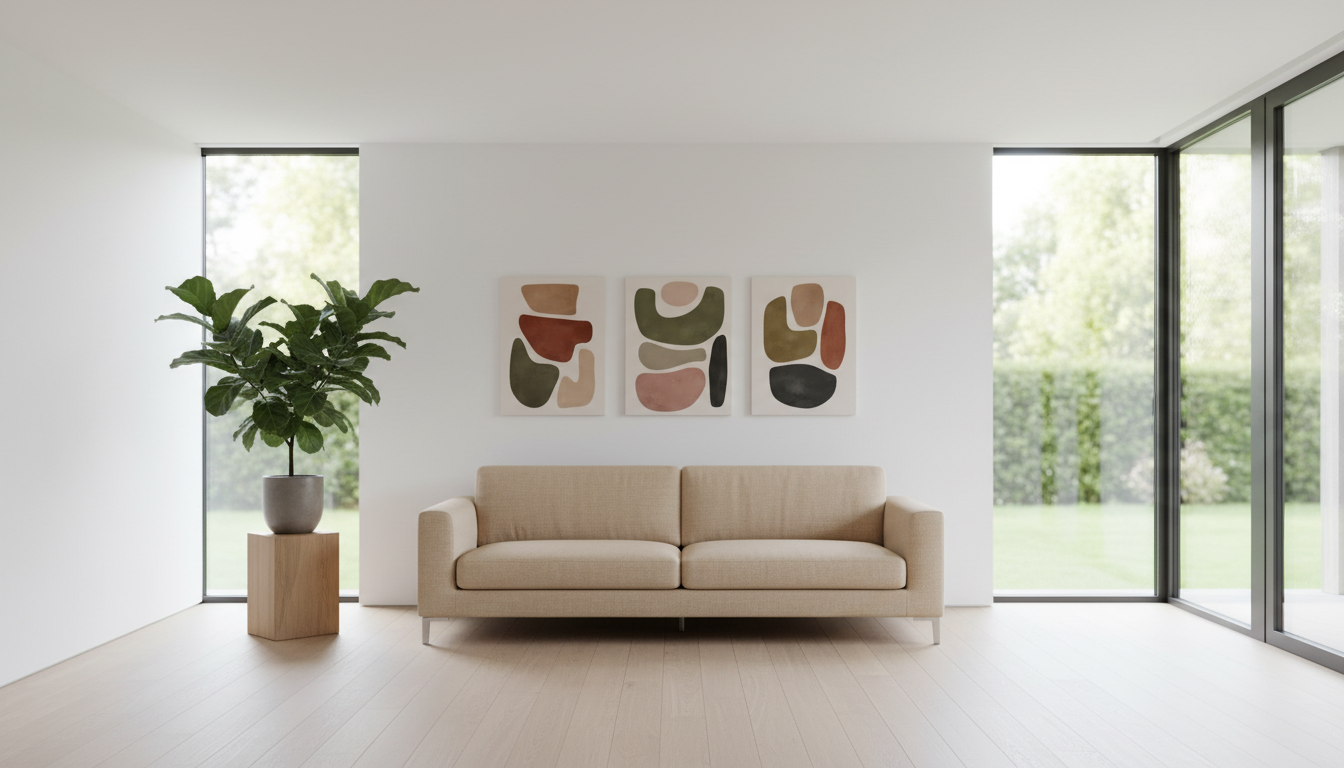
Minimalism is a powerful tool for cleaner living. By simplifying your life and reducing clutter, you can focus on what truly matters. Start by decluttering your home and getting rid of items that no longer serve a purpose. This process not only creates a more organized space but also reduces stress and enhances mental clarity.
Adopt Sustainable Practices
Incorporating sustainable practices into your daily routine is crucial for a cleaner lifestyle. Here are a few ways to get started:
- Use reusable bags, bottles, and containers to reduce single-use plastics.
- Opt for energy-efficient appliances and light bulbs to conserve energy.
- Support local and organic produce to reduce your carbon footprint.
These small changes can make a significant impact on the environment and your overall well-being.
Mindful Consumption
Being mindful of what you consume extends beyond physical products. It involves paying attention to the food you eat, the media you engage with, and the activities you participate in. Choose whole, nutritious foods, engage in positive and uplifting content, and participate in activities that bring you joy and fulfillment.

Create a Mindful Space
Your living environment plays a vital role in your mental and physical health. Create a mindful space by incorporating elements that promote relaxation and well-being. Use natural materials, incorporate plants, and ensure your space is well-ventilated and filled with natural light. These elements can enhance your mood and create a peaceful atmosphere.
Connect with Nature
Spending time in nature is a fundamental aspect of mindful living. Nature has a calming effect on the mind and body, reducing stress and enhancing mental clarity. Make it a habit to spend time outdoors, whether it's a walk in the park, a hike in the mountains, or simply enjoying your garden. This connection with nature can ground you and deepen your appreciation for the environment.

Practice Gratitude and Mindfulness
Finally, incorporate gratitude and mindfulness practices into your daily routine. Start each day with a moment of gratitude to set a positive tone. Practice mindfulness meditation to increase awareness and reduce stress. These practices can enhance your overall quality of life and support your transition to a cleaner, more mindful lifestyle.