Is Pink Himalayan Salt Actually Clean?
Pink Himalayan salt has gained popularity in recent years, often touted for its supposed health benefits and unique aesthetic appeal. But is it actually as clean and pure as many believe? Let's delve into what makes Pink Himalayan salt unique and whether it truly lives up to its reputation.
What is Pink Himalayan Salt?
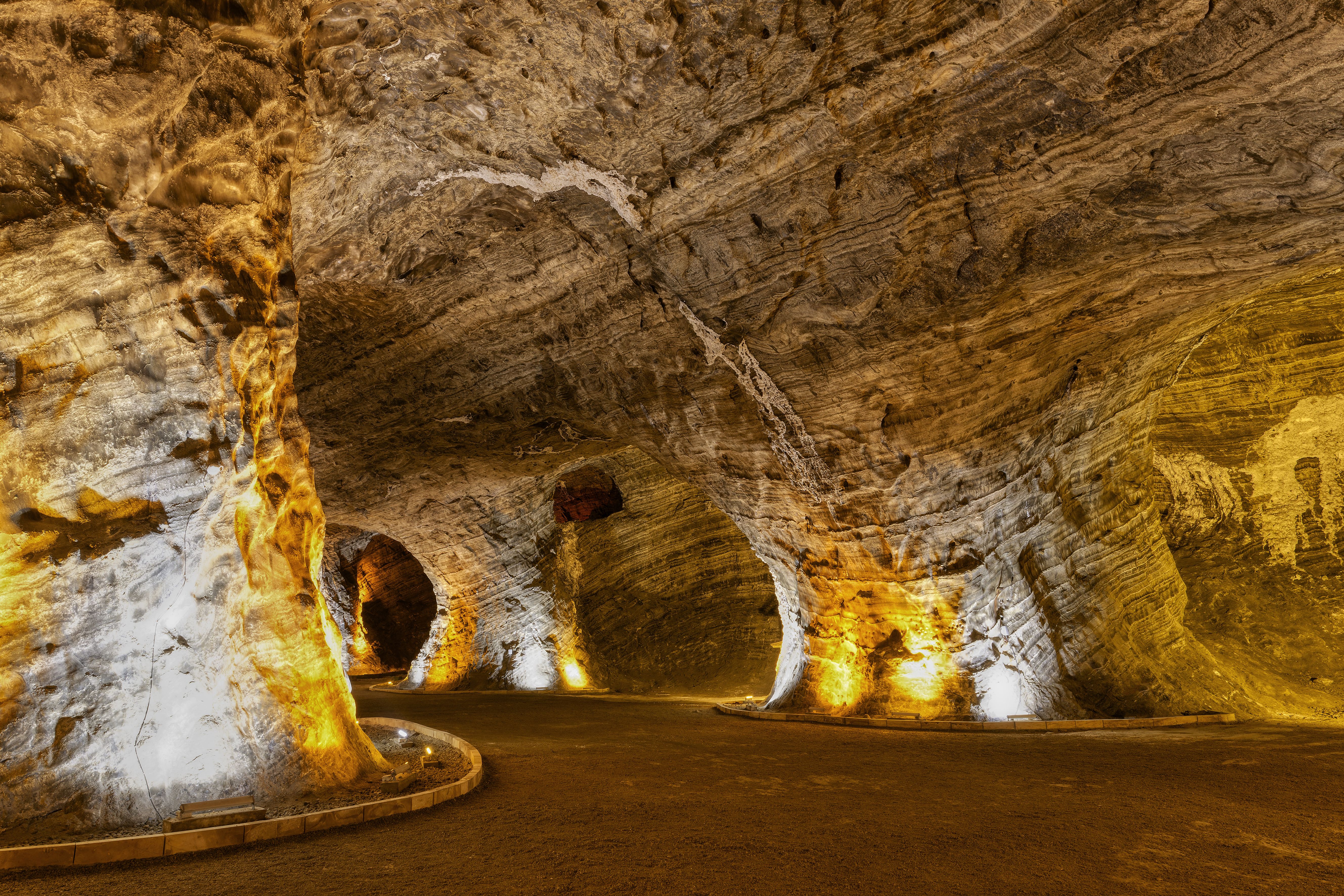
Pink Himalayan salt is a type of rock salt that is primarily mined from the Khewra Salt Mine in Pakistan, one of the oldest and largest salt mines in the world. Its distinct pink hue comes from trace minerals, such as magnesium, potassium, and calcium, which are also claimed to offer health benefits. But does its color and mineral content translate to purity?
Purity and Mineral Content
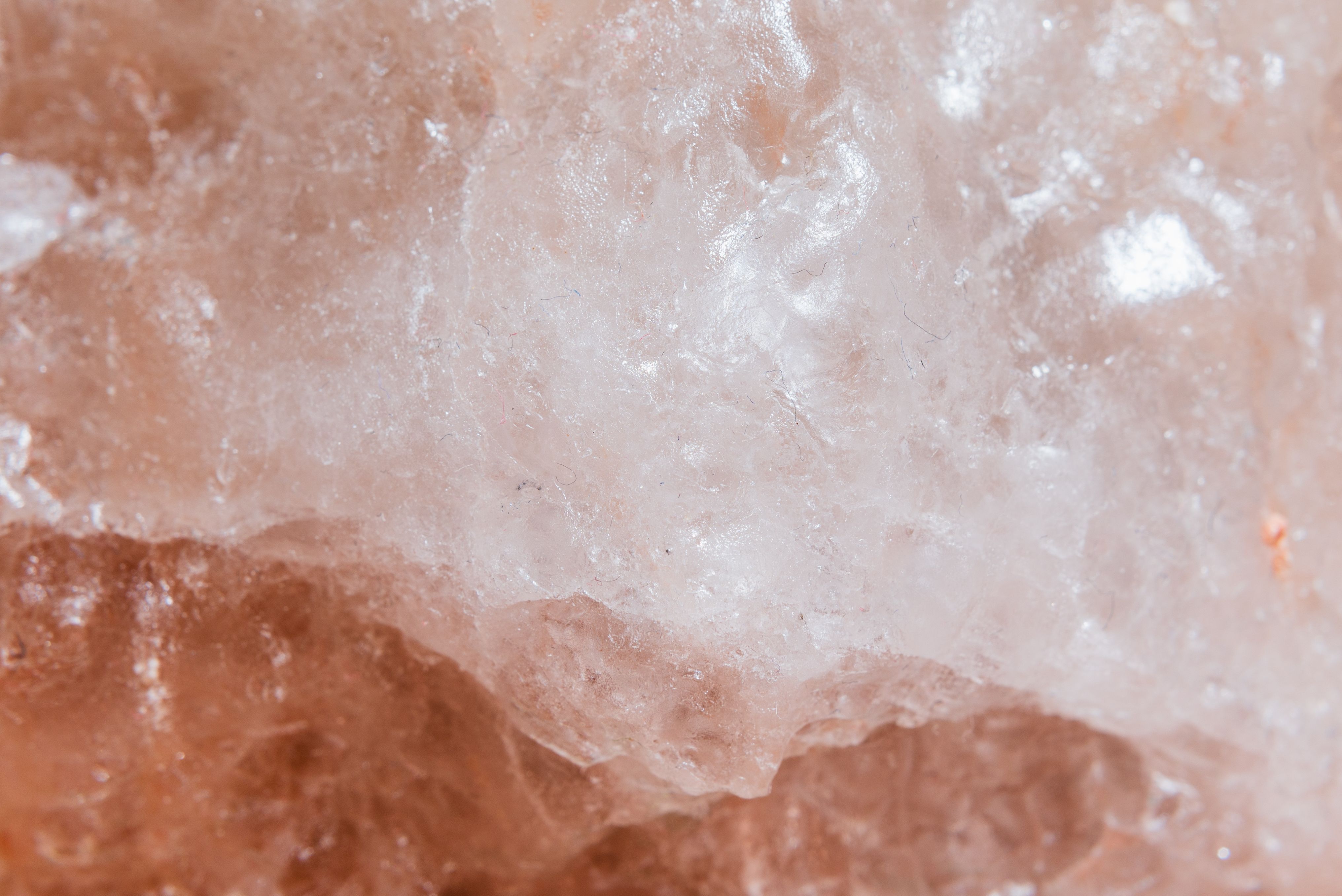
One of the main claims about Pink Himalayan salt is its purity, often marketed as being free from pollutants and toxins commonly found in refined table salt. However, while it is less processed, this doesn’t necessarily mean it is free from impurities. Trace minerals, which give it the pink color, are part of its charm, but they can also include elements not typically found in other salts.
In terms of mineral content, Pink Himalayan salt does contain some additional minerals compared to regular table salt. These include small amounts of iron oxide (rust), which gives it the pink color. While these minerals are present, they exist in such small quantities that their health benefits might be negligible.
Health Claims: Fact or Fiction?
Many advocate for Pink Himalayan salt due to its alleged health benefits, such as balancing the body's pH, improving respiratory conditions, and enhancing sleep quality. However, scientific evidence supporting these claims is limited. The benefits of using any type of salt largely depend on moderation.

It's important to note that all salts, including Pink Himalayan, primarily consist of sodium chloride. Excessive sodium intake can lead to health issues like high blood pressure, regardless of the salt type. Thus, while it may be prettier and slightly different in mineral makeup, it should still be consumed in moderation.
Environmental and Ethical Considerations
The mining of Himalayan salt raises environmental and ethical concerns. The extraction process can impact local ecosystems and communities. It's crucial to consider the source and sustainability practices of the producers when purchasing this salt.
Final Thoughts
While Pink Himalayan salt may be marketed as a cleaner and healthier alternative to table salt, it's essential to approach these claims with a critical eye. It certainly offers a unique aesthetic and flavor but should be consumed with the same level of caution as any other salt. Understanding its origins and the implications of its use can help consumers make informed decisions.
In conclusion, while Pink Himalayan salt is not necessarily "cleaner" than other salts, it does provide a visually appealing option for those looking to enhance their dishes. Always remember that moderation is key to maintaining a balanced diet.
Here is 2 more blog posts about salt. You decide what is right for your family.