
How to Transition to a Non-Toxic Home: A Step-by-Step Guide
Understanding the Importance of a Non-Toxic Home
Transitioning to a non-toxic home is not just a trend; it's a lifestyle choice that can significantly impact your health and well-being. Many household products contain chemicals that can be harmful to both humans and the environment. By making conscious choices, you can create a safer, healthier living space for you and your family.

Start with Cleaning Products
The first step in transitioning to a non-toxic home is to evaluate your cleaning products. Many conventional cleaners contain harsh chemicals that can cause respiratory issues and skin irritation. Consider switching to natural alternatives like vinegar, baking soda, and essential oils. These ingredients are not only effective but also safe for your family and pets.
For those who prefer ready-made options, look for eco-friendly brands that prioritize non-toxic ingredients. Reading labels is crucial; aim for products that are free from phthalates, parabens, and synthetic fragrances.
Revamp Your Personal Care Routine
Personal care products are another area where toxins can lurk. Items like shampoos, lotions, and cosmetics often contain harmful substances like sulfates and parabens. Transitioning to non-toxic personal care products can be as simple as choosing brands that use natural and organic ingredients.

Rethink Your Food Storage
Plastics are common in many kitchens but can leach harmful chemicals into food, especially when heated. Consider switching to glass, stainless steel, or silicone for food storage. These materials are not only safer but also more durable and environmentally friendly.
Additionally, avoid using plastic wrap and opt for alternatives like beeswax wraps or reusable silicone bags. These changes can help reduce your exposure to toxins and minimize your environmental footprint.
Improve Indoor Air Quality
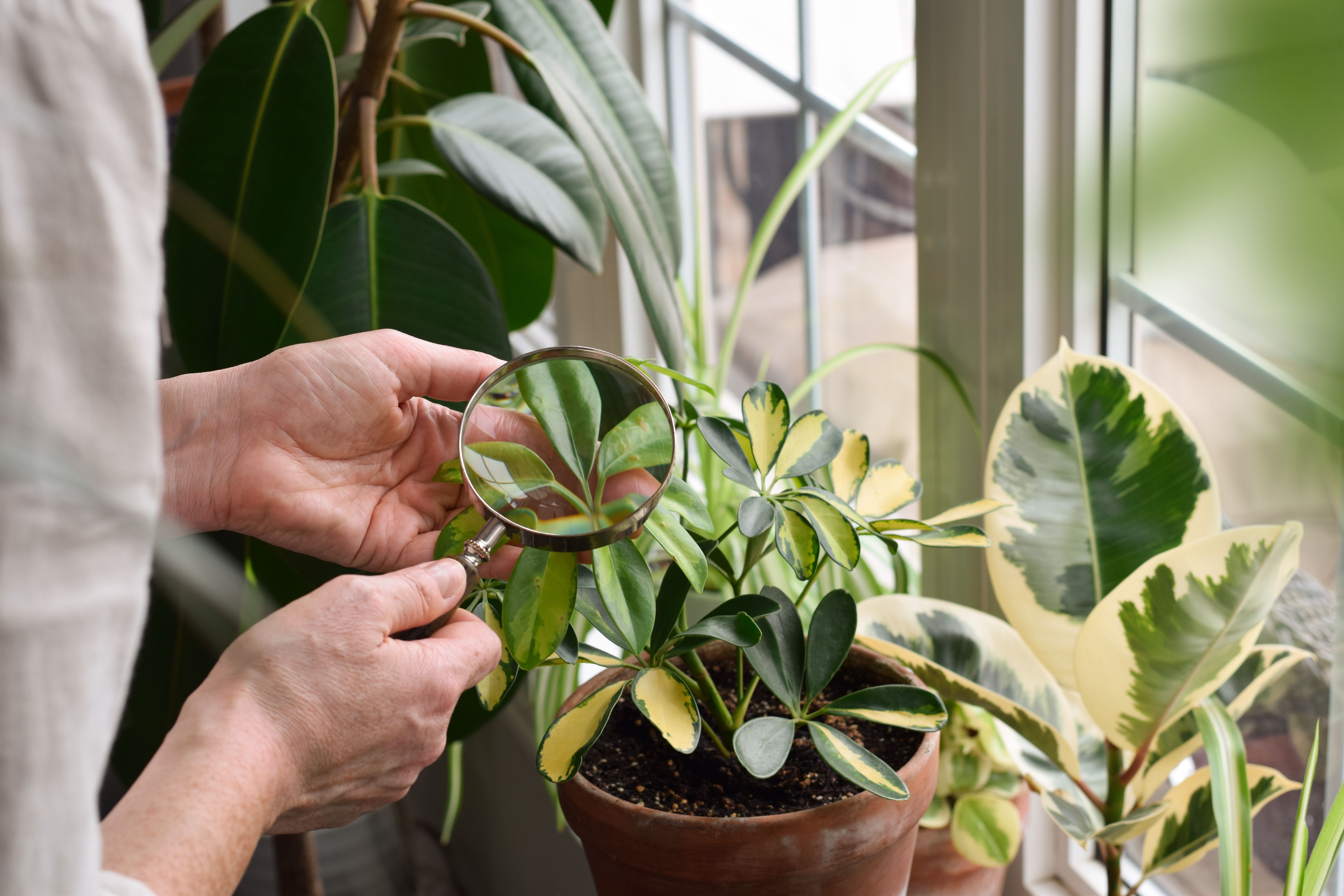
Indoor air quality is often overlooked, yet it plays a vital role in a non-toxic home. Houseplants are a natural way to purify the air and add a touch of greenery to your space. Some effective options include spider plants, snake plants, and peace lilies.
Choose Non-Toxic Furniture and Decor
Furniture and home decor can also be sources of toxins, especially items made with synthetic materials and treated with flame retardants. Opt for furniture made from solid wood and fabrics that are organic or untreated. This not only reduces toxins but also supports sustainable practices.
When purchasing new items, look for certifications like Greenguard or OEKO-TEX, which indicate that the products meet strict chemical emissions limits.
Be Mindful of Electronic Devices
Electronic devices can emit electromagnetic fields (EMFs) and other pollutants. Manage these by keeping devices like phones and laptops away from sleeping areas and turning off electronics when not in use. Consider investing in EMF shields or protectors for added safety.
By implementing these steps gradually, you can effectively transition to a non-toxic home. Not only will you be contributing to a healthier environment, but you'll also be ensuring a safer space for you and your loved ones. Remember, every small change counts!