
Food as Medicine: Harnessing the Healing Power of Whole Foods
In recent years, the concept of using food as medicine has gained significant attention. This approach emphasizes the healing power of whole foods, which are packed with nutrients and can help prevent and manage a variety of health conditions. By incorporating whole foods into our diets, we can enhance our overall well-being and support our body's natural healing processes.
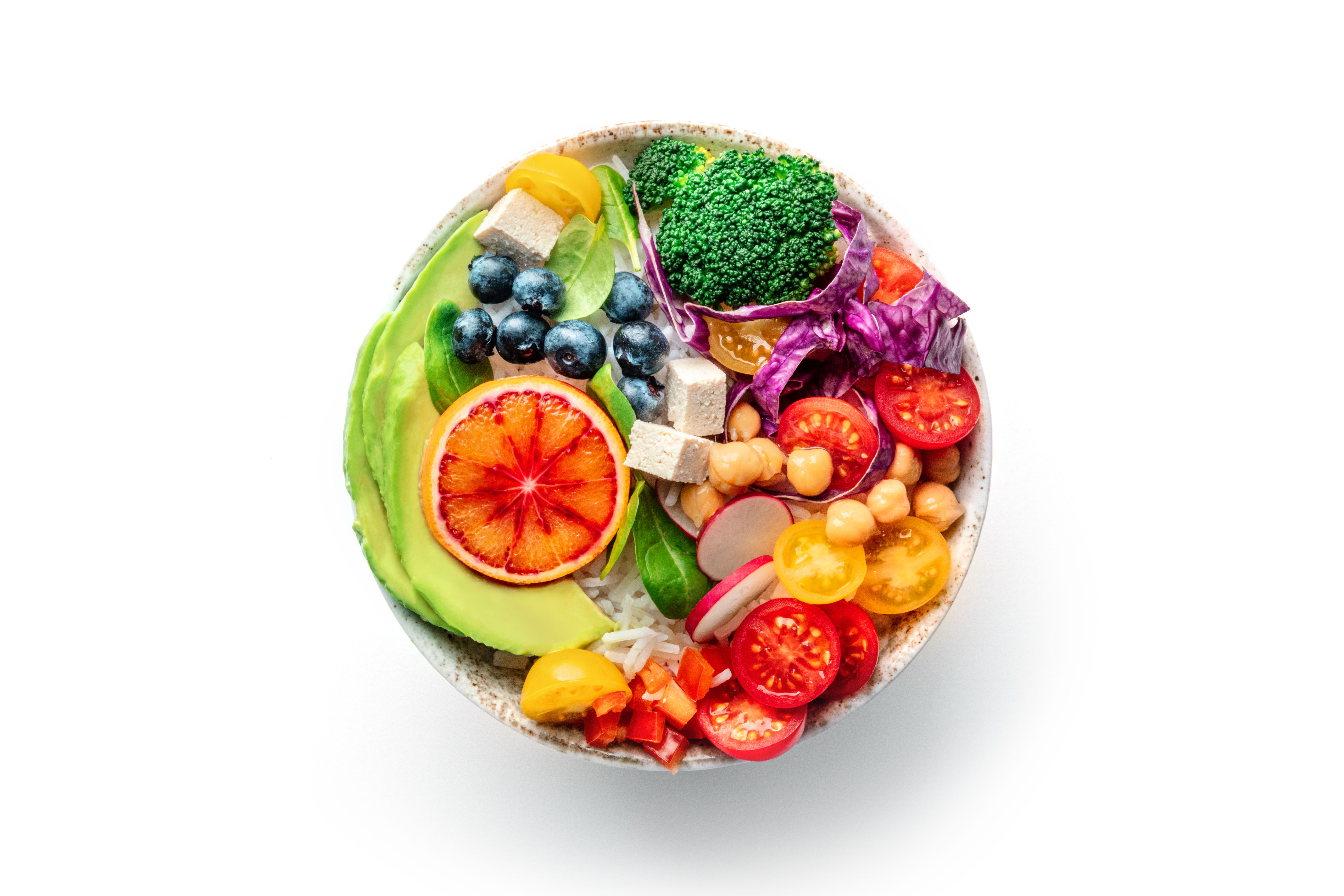
The Nutrient Powerhouse
Whole foods are unprocessed and unrefined, or processed and refined as little as possible before consumption. They are rich in essential nutrients, including vitamins, minerals, antioxidants, and fiber. These nutrients work synergistically to support our immune system, reduce inflammation, and promote optimal health.
For example, leafy greens like spinach and kale are loaded with vitamins A, C, and K, as well as iron and calcium. Berries are rich in antioxidants, which help protect cells from damage. Incorporating a variety of these foods into your diet can provide a broad spectrum of nutrients that contribute to better health.
Boosting Immunity with Whole Foods
A diet rich in whole foods can significantly boost the immune system. Foods such as citrus fruits, garlic, and ginger are known for their immune-boosting properties. Citrus fruits are high in vitamin C, which is crucial for the production of white blood cells. Garlic contains sulfur compounds that enhance the immune system, while ginger has anti-inflammatory and antioxidant effects.
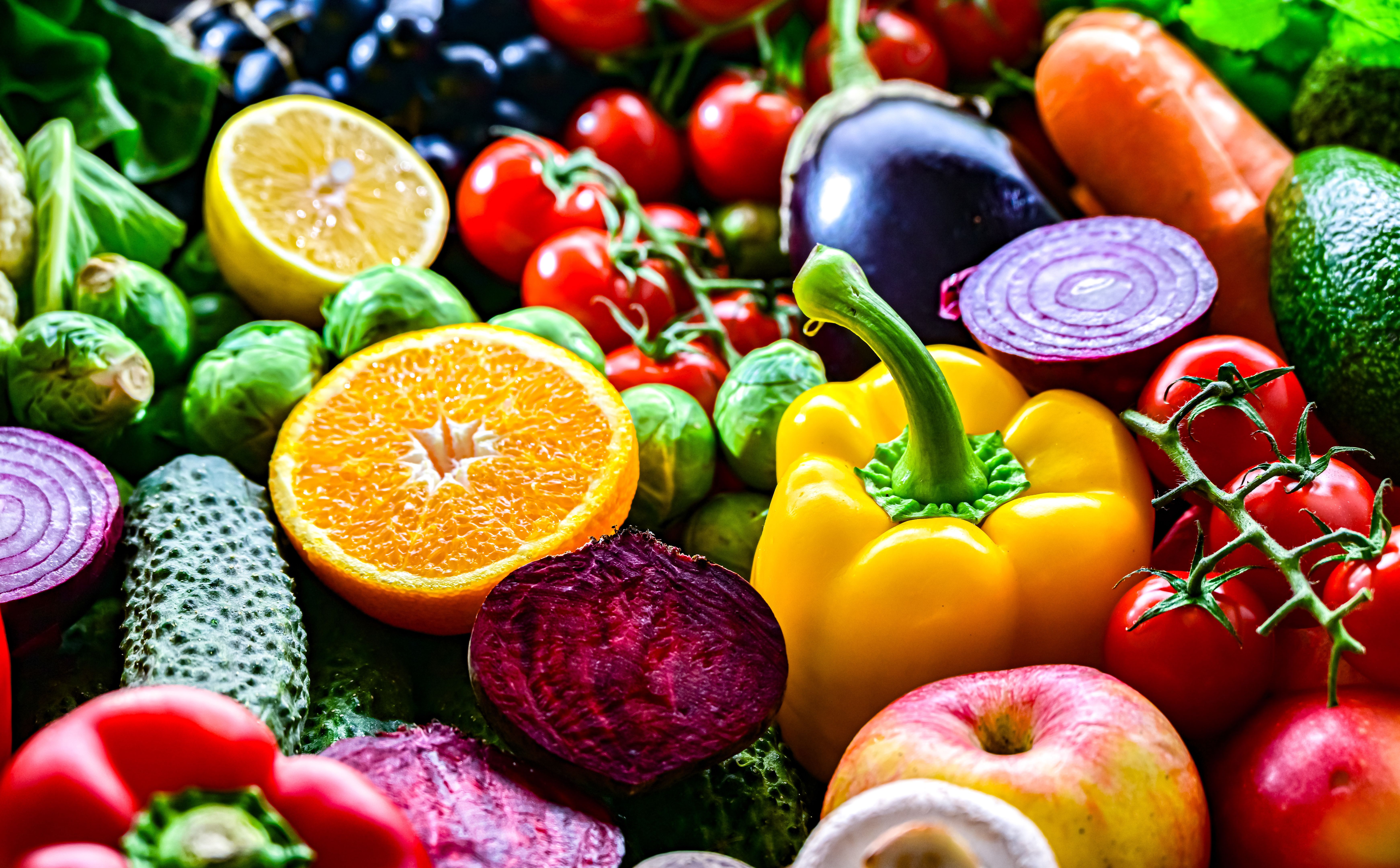
Additionally, probiotics found in fermented foods like yogurt and sauerkraut can support gut health, which is closely linked to immune function. A balanced gut microbiome is essential for a robust immune response and overall health.
Managing Chronic Diseases
Whole foods play a vital role in the prevention and management of chronic diseases such as diabetes, heart disease, and obesity. A diet rich in fruits, vegetables, whole grains, and lean proteins can help regulate blood sugar levels, lower cholesterol, and maintain a healthy weight.
For individuals with diabetes, foods with a low glycemic index, such as whole grains and legumes, can help manage blood sugar levels. Omega-3 fatty acids found in fatty fish like salmon can reduce inflammation and improve heart health.
Incorporating Whole Foods into Your Diet
Transitioning to a diet focused on whole foods doesn't have to be overwhelming. Start by gradually increasing your intake of fruits and vegetables. Aim for a colorful plate, as different colors often represent different nutrients. Include a variety of whole grains such as quinoa, brown rice, and oats.
Planning meals ahead of time can also make it easier to incorporate whole foods into your diet. Prepare meals using fresh ingredients and try to avoid processed foods. Experiment with new recipes that highlight whole foods to keep your meals exciting and nutritious.
Conclusion
Embracing the concept of food as medicine is a powerful way to support health and well-being. By focusing on whole foods, you can harness their healing properties and enjoy a healthier lifestyle. Remember, small changes can lead to significant improvements in health, so start incorporating more whole foods into your diet today.
Check out my Digital Guides Here: Digital Products