Expert Tips for Using Medicinal Herbs Safely with Children
Understanding the Basics of Medicinal Herbs for Children
Medicinal herbs have been used for centuries to treat various ailments, and they can be a natural alternative for children’s healthcare. However, it's crucial to understand how to use them safely. Before introducing any herb to your child's routine, always consult with a healthcare professional.
Children's bodies are more sensitive than adults, and what works for an adult might not be suitable for a child. Start by educating yourself on the specific herbs you are considering and their potential effects on children.
Choosing the Right Herbs
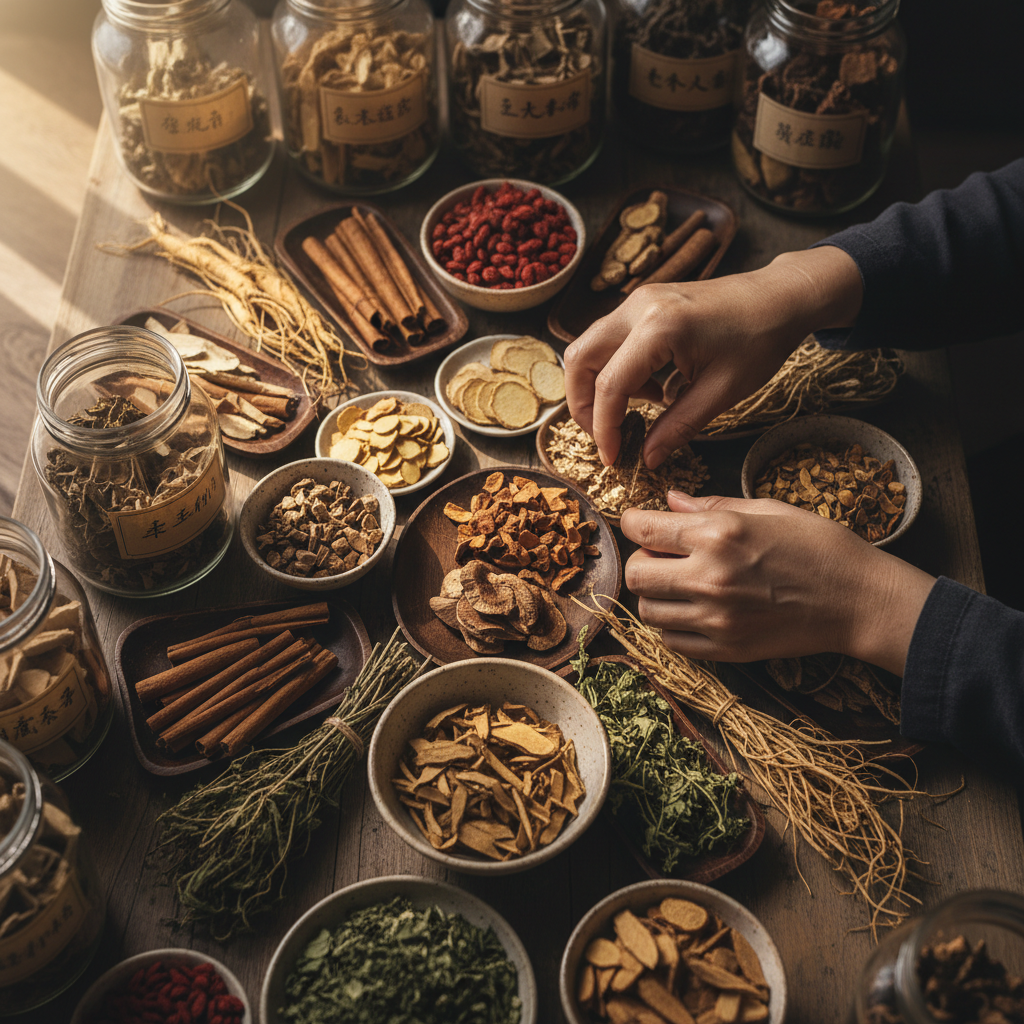
When selecting herbs for children, it's essential to choose those that are safe and well-documented for pediatric use. Some popular options include chamomile for calming, ginger for digestion, and elderberry for immune support. Ensure that the herbs are of high quality, preferably organic, to avoid exposure to pesticides and other harmful substances.
Always opt for herbs that have been specifically recommended for children and avoid those with known contraindications. Dosages should be adjusted according to your child's age and weight, following professional guidance.
Administering Herbs Safely
Administering medicinal herbs to children requires careful attention to dosage and method. Tinctures, teas, and syrups are common ways to give herbs to children, but each method has its own considerations. For instance, tinctures often contain alcohol, which may not be suitable for young children. Opt for alcohol-free versions or dilute them appropriately.
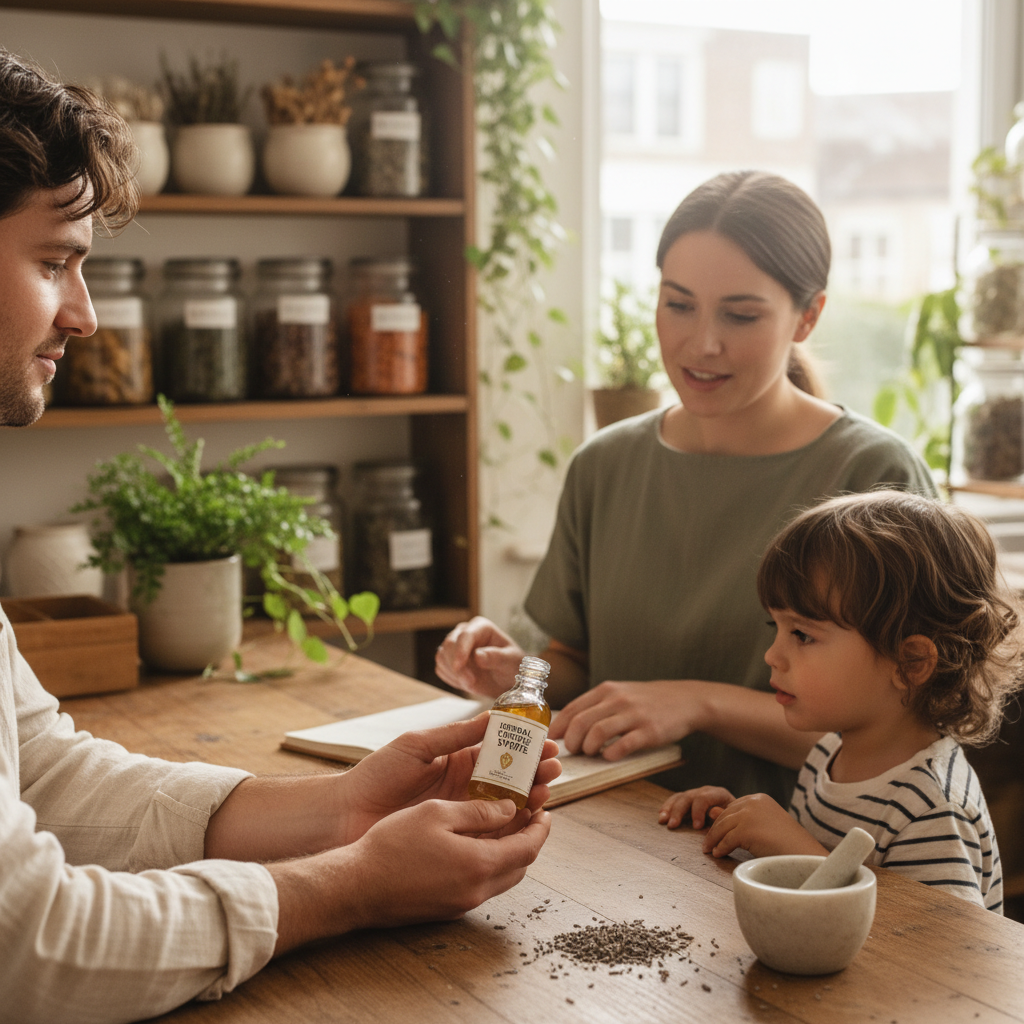
Teas can be a gentle way to introduce herbs, but be sure they are adequately diluted and cooled before giving them to a child. Always start with a small dose and monitor your child for any adverse reactions.
Recognizing Allergic Reactions
Just like any other substance, herbs can cause allergic reactions. Watch for symptoms such as rashes, itching, or swelling. If you notice any of these signs, discontinue the herb immediately and consult a healthcare professional.
It's a good practice to introduce one herb at a time, which allows you to identify which one might be causing any adverse effects if they occur.
Creating a Safe Environment
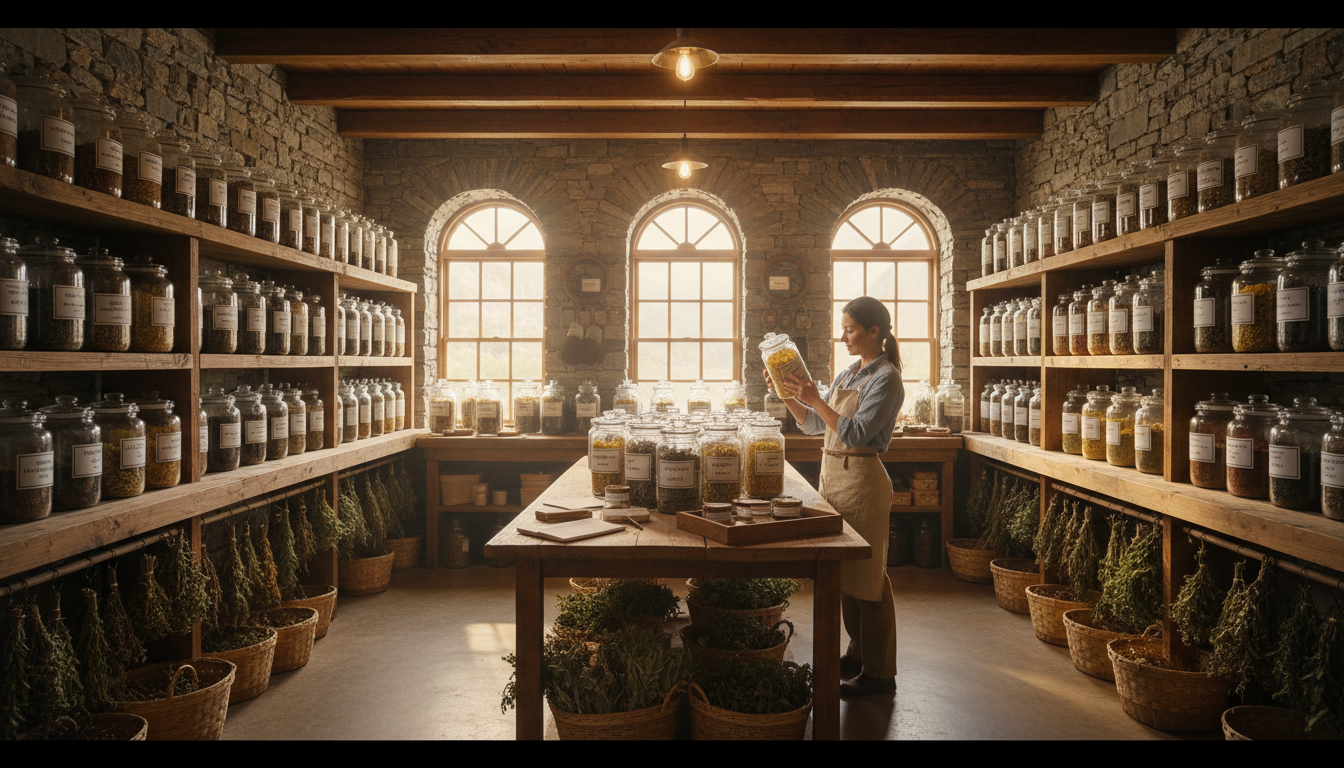
Store herbal products out of reach of children to prevent accidental ingestion. Label all bottles and keep them in a cool, dry place. Educate older children about the use of herbs and the importance of using them responsibly.
Consider keeping a journal to track the herbs your child is taking, along with any observations. This can be a helpful tool for discussions with healthcare providers.
Consulting Professionals
Always involve healthcare professionals in decisions about herbal use for your children. Pediatricians, naturopathic doctors, or herbalists can provide valuable insights into safe practices and effective dosages.
Remember, while herbs can be a beneficial addition to your child’s health regimen, they should complement, not replace, conventional medical care. Prioritize safety and informed decision-making in your approach.