
Expert Tips: Transitioning to a Non-Toxic Lifestyle
Understanding Non-Toxic Living
Transitioning to a non-toxic lifestyle involves making conscious choices to reduce the presence of harmful chemicals in your home, food, and personal care products. By doing so, you can improve your health and contribute to a more sustainable environment. This journey requires research, dedication, and gradual changes to ensure a seamless transition.
The first step is to educate yourself about the common toxins found in everyday products. Many household cleaners, cosmetics, and even food items contain chemicals that can negatively impact your health. Understanding these elements is crucial to making informed decisions.

Making Your Home Non-Toxic
Your home is the starting point for a non-toxic lifestyle. Begin by evaluating the products you use regularly. Consider switching to natural cleaning agents like vinegar, baking soda, and essential oils, which are effective and environmentally friendly alternatives.
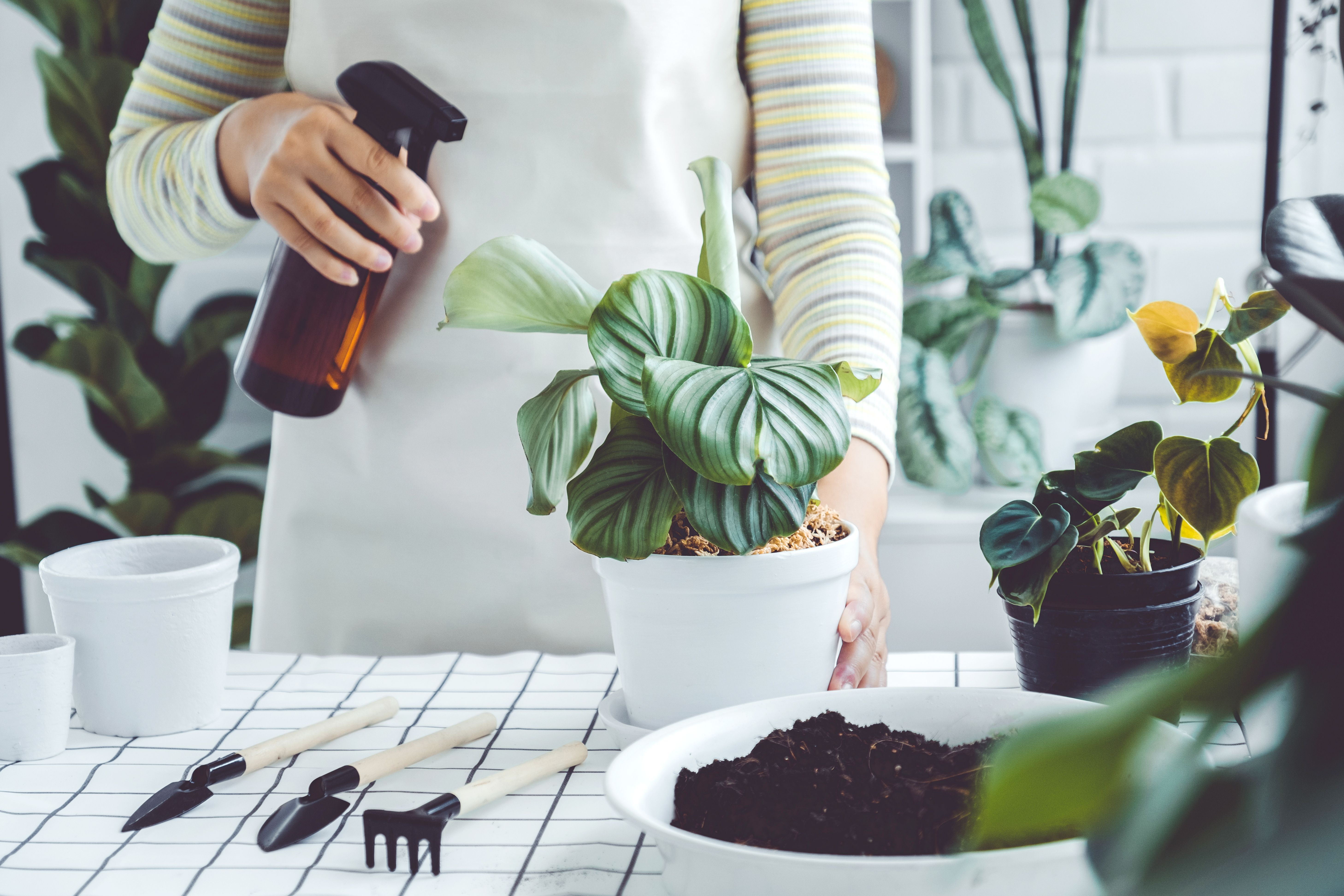
Also, pay attention to indoor air quality. Introduce houseplants known for their air-purifying properties, such as spider plants and peace lilies. Regularly ventilating your home and using air purifiers can also make a significant difference.
Choosing Non-Toxic Personal Care Products
Personal care products, including shampoos, lotions, and cosmetics, are often laden with harmful chemicals. To transition to safer alternatives, look for products labeled as organic, natural, or free from parabens and sulfates. Reading ingredient lists and researching brands dedicated to non-toxic products can guide your choices.
- Opt for products with fewer ingredients.
- Choose brands that are transparent about their sourcing and production.
- Consider making your own DIY beauty products at home.

Non-Toxic Eating Habits
Adopting a non-toxic lifestyle also extends to what you eat. Prioritize organic produce to minimize exposure to pesticides and genetically modified organisms (GMOs). Whenever possible, support local farmers who practice sustainable farming methods.
Incorporate whole foods into your diet, avoiding processed items that contain artificial additives and preservatives. Cooking at home allows you to control what goes into your meals, ensuring they are both nutritious and toxin-free.

Benefits of a Non-Toxic Lifestyle
Embracing a non-toxic lifestyle has numerous benefits. By reducing exposure to harmful chemicals, you can improve your overall health, increase energy levels, and reduce the risk of chronic illnesses. Additionally, these changes can have a positive impact on the environment by reducing pollution and waste.
While the transition may seem daunting, remember that small, consistent changes can lead to significant improvements over time. Engage with communities and resources that support non-toxic living to stay motivated and informed.